Lee Qianqian Cui

Lee Qianqian Cui

Ph.D. Researcher in Social Psychology

This is Lee.

I am a Ph.D. candidate in the Department of Psychological and Brain Sciences at UC Santa Barbara.

I study social minds and perception using interdisciplinary methods, including behavioral measures, machine learning, and neuroimaging, eye-tracking, NLP, and advanced statistical modeling to uncover how people think and feel—especially in emotionally and socially complex contexts. With experience analyzing 1,500+ participants and 12M+ tweets, I’m passionate about applying cutting-edge techniques to tackle challenging questions in human behavior and cognition.

Skills

  • Experimental Design
  • Mixed Methods Research
  • Python, R, Qualtrics, Unity3D, JavaScript, HTML/CSS, SQL
  • A/B testing, ANOVA, SEM, neuroimaging and sentimental analysis

Education

  • Ph.D., Psych & Brain Sciences, June 2027

    University of California, Santa Barbara

  • M.A., Psychology, May 2021

    New York University

  • B.A., Psychology, Jan 2019

    Rutgers University

Experience


Ph.D. Researcher & Analyst

University of California, Santa Barbara

Sep 2021 – Present California
  • Designed and implemented multiple behavioral and neuroimaging experiments applying psychological theories to investigate social cognition and participants’ lived experiences
  • Led a neuroimaging study examining stereotype exposure and reward processing in Hispanic and Latino populations; updated protocols and conducted fMRI sessions
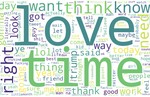
  • Directed and analyzed a large-scale social media sentiment study analyzing 12M+ tweets from LGBTQ+ and non-LGBTQ+ users surrounding U.S. Supreme Court rulings on same-sex marriage
  • Applied NLP tools (e.g., BERT) and custom Python scripts to extract sentiment trends; conducted factorial and multivariate analyses to identify significant emotional differences across groups
  • Utilized statistical techniques including A/B testing, ANOVA, multiple regression, structural equation modeling, latent class analysis, and text mining to derive actionable insights from large datasets
  • Produced 3 research manuscripts, delivered 5 invited talks, and presented findings at 6 academic conferences to interdisciplinary audiences
  • Hired, trained, and mentored research teams of up to 10 assistants to support data collection, analysis, and lab operations across multiple concurrent projects

  RU Logo


Lab Instructor

University of California, Santa Barbara

Jan 2021 – Present California
  • Trained students in scientific research design, data collection, data analysis, and scientific writing
  • Taught statistics, A/B testing, correlation analysis, analysis of variance, regression analysis, and survey design

  RU Logo


Graduate Researcher & Programmer

New York University

Sep 2019 – May 2021 New York
  • Designed and executed a computational study to evaluate potential racial bias in facial recognition systems, applying expertise in experimental design and statistical analysis
  • Evaluated and fine-tuned convolutional neural networks (ResNet) using diverse public datasets, identifying performance disparities across demographic groups
  • Developed a Siamese network to measure facial similarity, improving accuracy in face comparison tasks
  • Created 200+ controlled morphed face stimuli using WebMorph to systematically test algorithm performance
  • Automated image preprocessing with Python scripts, reducing facial area isolation time for 200+ images from hours to under 2 minutes
  • Presented findings on algorithmic bias at NYU’s 24th Annual Master’s Psychology Research Conference, earning first place for clear communication of technical results to a broad audience
  • Secured funding through a competitive Graduate Student Research Award by crafting a compelling research proposal aligned with societal and technological impact

  RU Logo


Post Bacc Researcher & Data Analyst

Nanjing University

Jan 2019 – Aug 2019 Nanjing, China
  • Designed, programmed, and conducted behavioral and eye-tracking studies to examine how visual cues influence perception, applying advanced experimental design skills
  • Collaborated on EEG experiments to investigate how integration of primary and secondary reward cues affects executive function, contributing to multimodal research methods
  • Developed experiments in E-Prime and Experiment Builder, ensuring high data quality and participant engagement
  • Translated and culturally adapted five psychological questionnaires from English to Chinese for cross-cultural validity
  • Built and maintained the lab’s minimalist-style website using open-source platforms (GitHub Pages & Hugo), improving accessibility and usability for research participants and collaborators

  RU Logo


Undergrad Research Assistant

Rutgers University

Jan 2016 – May 2017 New Jersey
  • Collected and managed participant data for multiple studies on perception, identity, and attitude change, ensuring data accuracy and research integrity
  • Coordinated in-person experimental sessions, including role-based interactions to maintain study realism and participant engagement
  • Monitored attendance and documented unexpected events to support reliable analysis and study reproducibility

  RU Logo

Research

Racial Bias in Facial Recognition: The Role of Training Data and Human Prejudice

This project integrates psychological measures of prejudice with deep learning pipelines to examine racial bias in facial recognition. Dataset imbalance and annotator prejudice drive racial bias in facial recognition more than model design.

NLP-Driven Insights into Queer Sentiment During Legal Milestones

A longitudinal NLP study of emotional sentiment among openly queer Twitter users from 2012–2017, capturing shifts around two major U.S. Supreme Court rulings on same-sex marriage

Blame the Bot? Evaluating Racial Bias from Humans vs AI

A behavioral study examining how people evaluate racial bias from humans versus AI systems, revealing shifts in emotional response and blame attribution based on bias type and perceiver identity.

Gender Differences in Response to East Asian Erotic Stimuli: A Validated Image Dataset

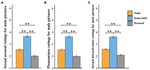
This study presents the East Asian Erotic Picture Dataset to address the lack of representative stimuli in sexuality research. Ratings from Chinese college students revealed gender differences in arousal and attractiveness responses to opposite-sex images, with females favoring semi-nude male stimuli. The dataset offers a validated resource for studying sexual function and cultural influences in East Asian populations.

Awards

Senate Doctoral Travel Grant (International Travel), 2025

RU Logo

Senate Doctoral Travel Grant (Domestic Travel), 2025

RU Logo

PBS Department Travel Grant, 2024

RU Logo

GSA Travel Grant, UCSB, 2024

RU Logo

Center for Information Technology and Society Travel Grant, UCSB, 2023

RU Logo

Student Travel Award, Association for Psychological Science, 2023

RU Logo

Holly Jennings Award, UCSB, 2022

RU Logo

Individualized Professional Skills Grant, UCSB, 2022

RU Logo

Graduate Travel Award, Society for Personality and Social Psychology, 2022

RU Logo

International Doctoral Recruitment Fellowship, UCSB, 2021

RU Logo

Graduate Student Conference Award, NYU, 2021

RU Logo

24th Annual MA Research Conference Best Poster, 1st Place Award, NYU, 2020

RU Logo

Graduate Student Research Award, NYU, 2020

RU Logo

Dorothy and David Cooper Scholarship, Rutgers University, 2017

RU Logo

SAS Excellence Award, Rutgers University, 2017

RU Logo

Dean’s List, Rutgers University, 2015 - 2017

RU Logo

Fun

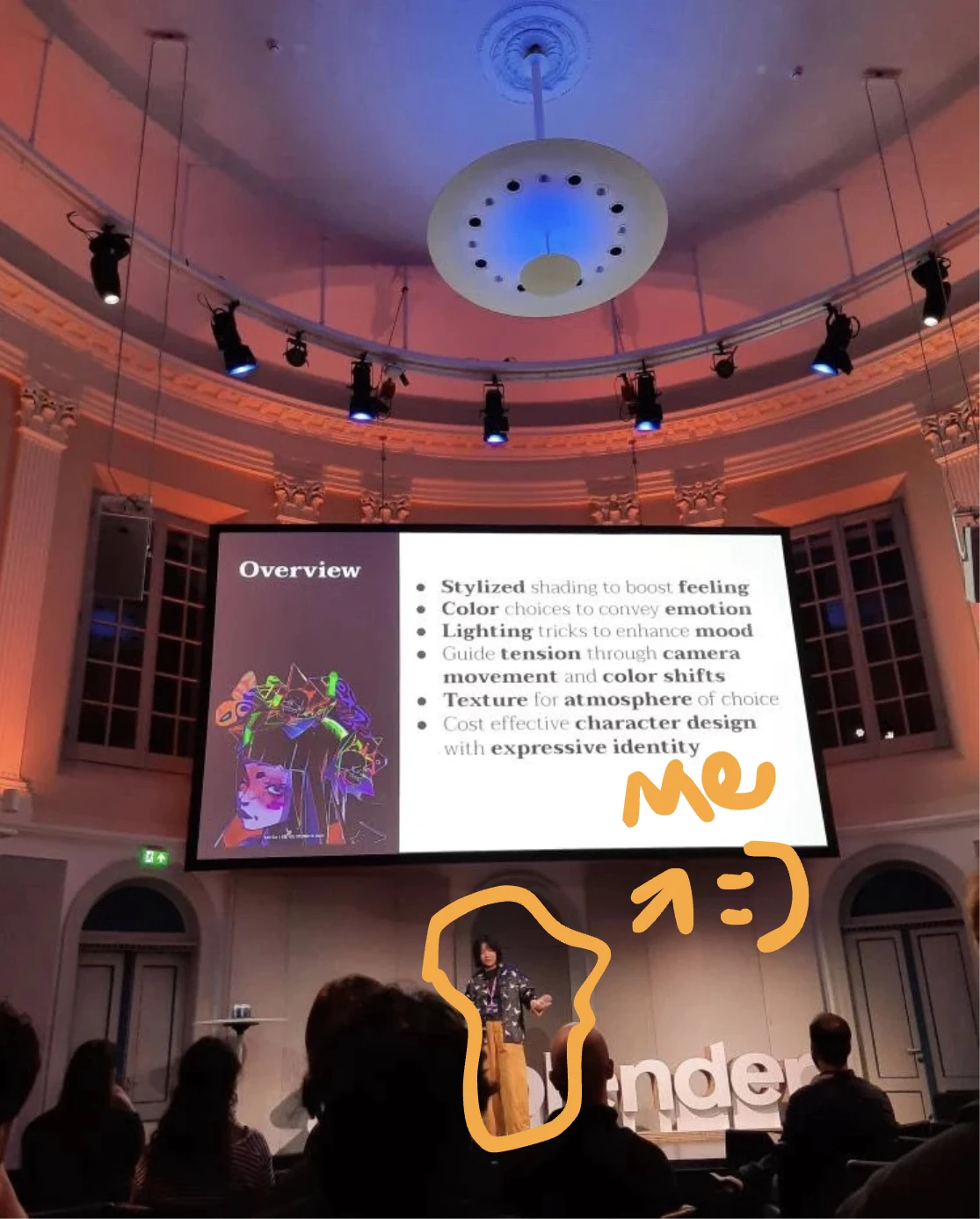
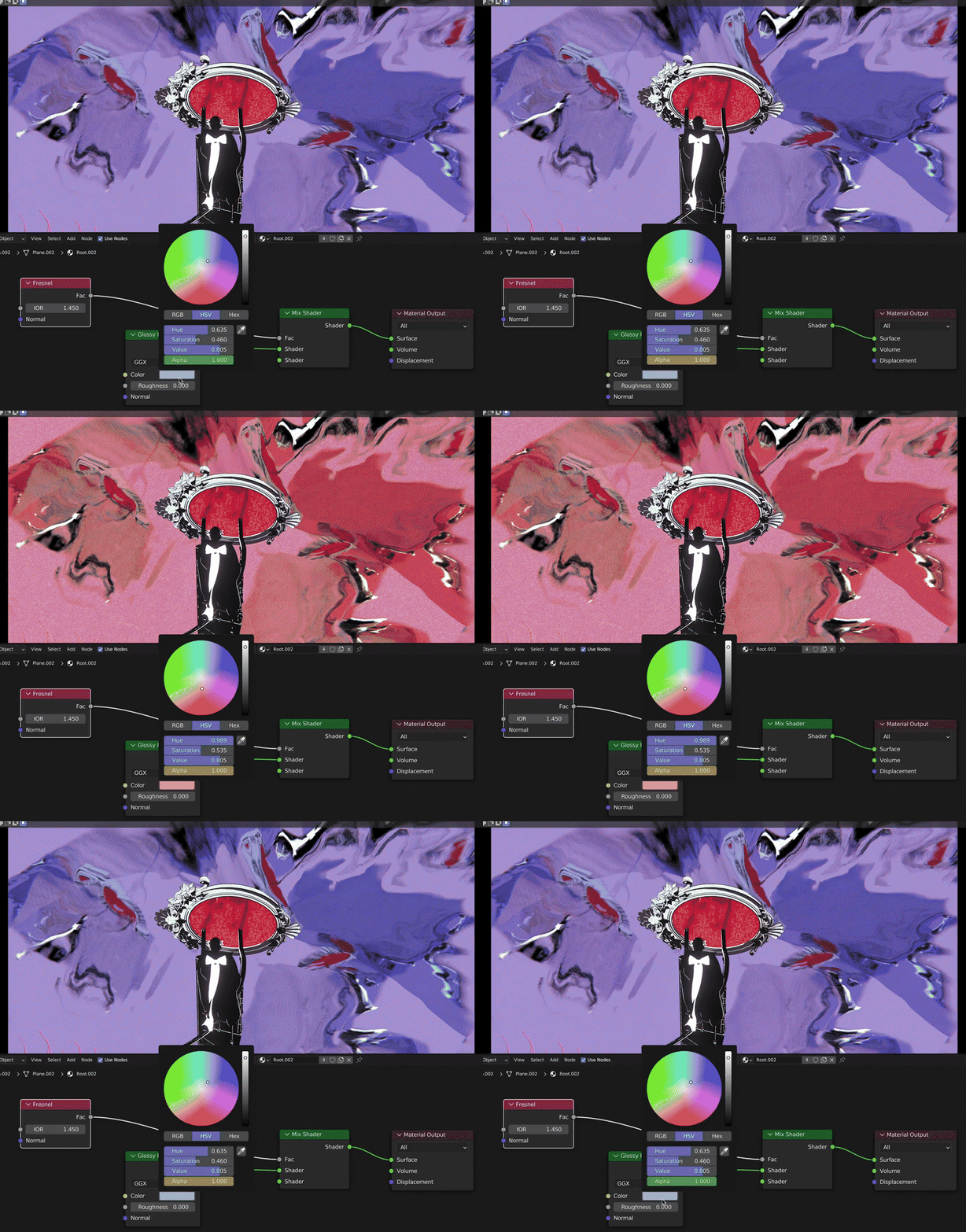
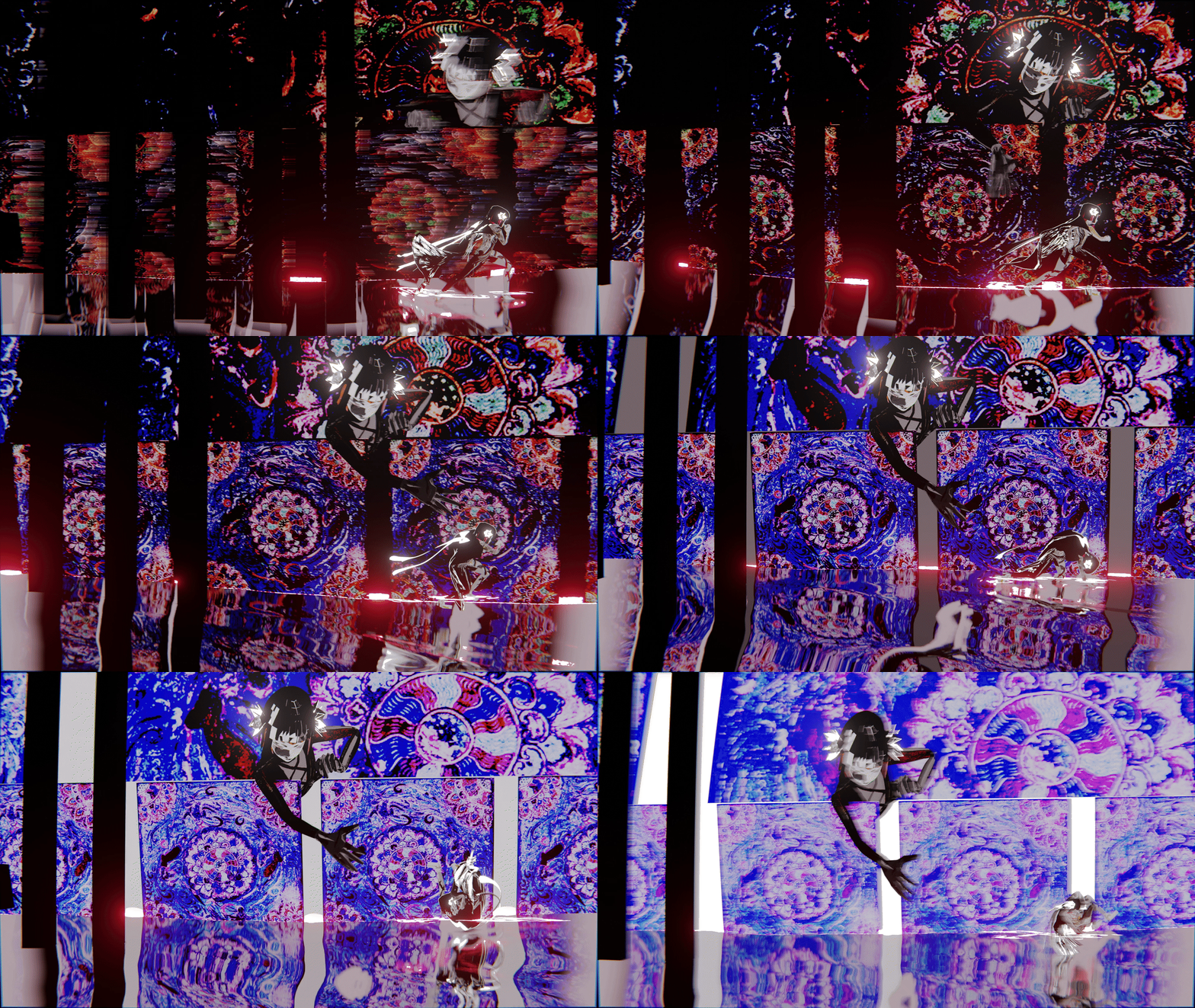
I make motion graphics/animation (mostly using blender) in my spare time. I was invited to give a talk at the Blender Conference 2025.

BCON 2025 Poster

BlenderCon 2025 Photo Credit to @venya.ventures

BCON 2025 Poster
BCON 2025 Poster
BCON 2025 Poster

I keep my visual art world separate. Visit my artist site here. It’s so good you honestly shouldn’t miss it.

Contact